
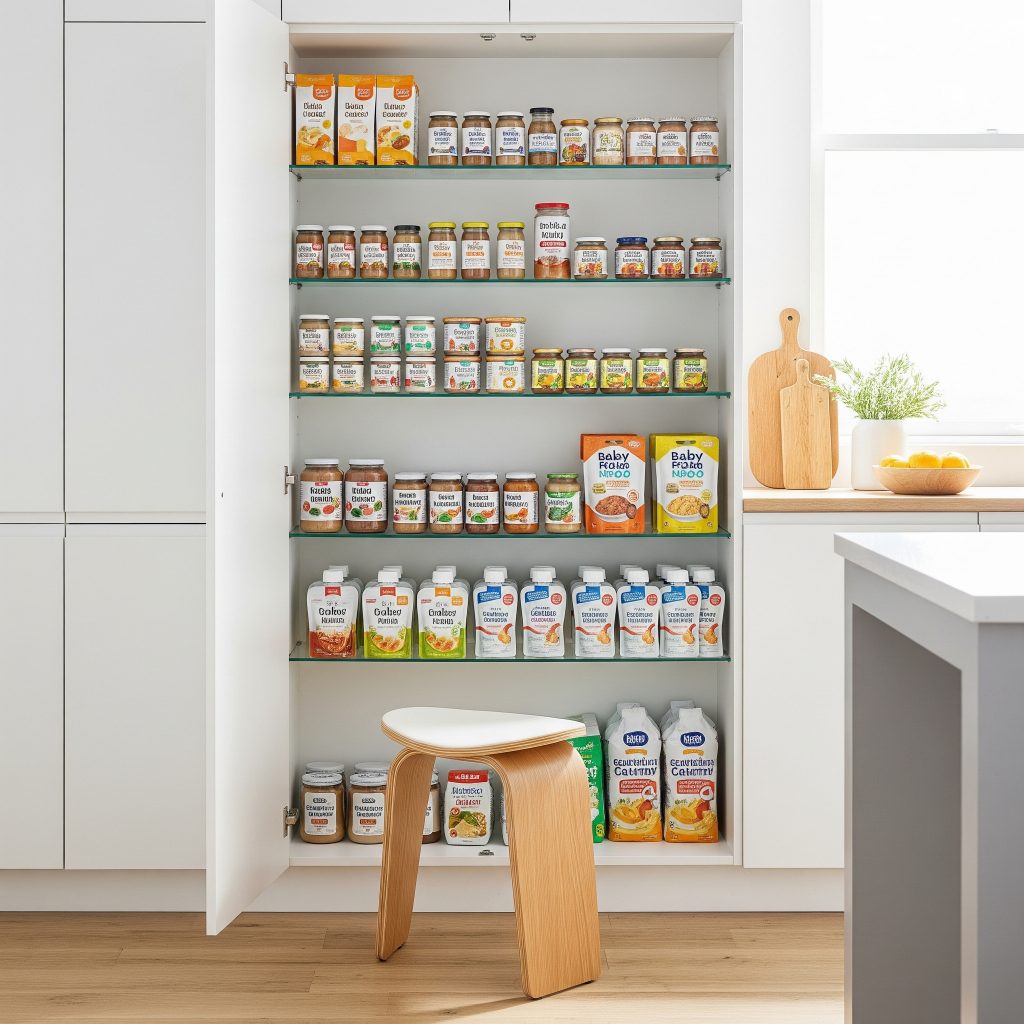
If you’re a parent in the weaning phase, one of the key things to learn is how to store homemade baby food the right way. In Singapore, where many parents choose to prepare fresh, nutritious meals at home, storing baby food correctly is crucial to ensure safety and maintain nutrition.
This article will guide you through the proper storage techniques for baby food at home. But first, let’s explore the benefits of homemade Complementary Food!
Contents
Benefits of Homemade Complementary Food
Complementary Food is food given to infants starting from around 6 months of age to complement breast milk and meet their growing nutritional needs.
1. Fulfils Baby’s Growing Nutritional Needs
While breast milk remains essential, babies above six months require additional sources of nutrients like vitamins, minerals, proteins, and carbohydrates. Complementary Food helps bridge that gap.
Homemade baby food is especially valuable as it allows parents to control what goes into the food—no added preservatives, artificial flavourings, or unnecessary sugar.
2. Trains Baby’s Eating Skills
Introducing Complementary Food also helps babies get familiar with food textures, flavours, and the act of chewing and swallowing—important milestones in their development.

Types of Complementary Food That Can Be Stored Long-Term
Not all baby foods are created equal when it comes to storage.
Some ingredients keep their colour, texture, and nutritional value even after freezing, while others degrade quickly.
Great for Long-Term Storage
These ingredients freeze well and are great choices for make-ahead baby food:
- Broccoli
- Green beans
- Cauliflower
- Carrots
- Peas
- Sweet potatoes
- Peaches
- Berries
- Lean meats (e.g., chicken, beef)
Change Colour But Still Nutritious
Some foods like apples, strawberries, bananas, and avocado may turn slightly brown, but they remain nutritious and safe to eat.
Not Ideal for Freezing
Certain foods are best served fresh as they may change in taste and texture when stored too long:
- Eggs
- Rice
- Potatoes
- Tofu
- Fruits like grapes, mango, papaya, pear, melon, apricots
Read More : Nutritional Benefits of Anchovies (Ikan Bilis): Are They Good for Your Health?
How to Store Homemade Baby Food Safely
Storing baby food properly not only preserves its nutritional quality but also ensures food safety for your little one.
1. Use the Right Containers
Store homemade Complementary Food in airtight, BPA-free containers. Glass or safe plastic containers work well. If you’re making purees, you can also use ice cube trays or baby food moulds—just make sure to cover them with cling wrap or a food-safe lid.
2. Keep One Batch Per Container
Avoid dividing one batch of food into multiple containers unless necessary. This helps prevent contamination and simplifies mealtime.
3. Label Each Container
Label your containers with the date of preparation. This simple step helps you track freshness and prevents feeding your baby expired food.
4. Store in Freezer or Refrigerator
You can store Complementary Food in the freezer (below 5°C) for up to 3 months, and sometimes even 6 months depending on the ingredients. For refrigerator storage, baby food should be used within 2 days.
⚠️ Once thawed and reheated, baby food should not be refrozen. Always thaw only the portion needed.
Where to Get Quality Ingredients for Complementary Food?
Looking for safe, nutritious ingredients to make Complementary Food at home?
Check out Crystal of the Sea’s food powder products, which are hygienically processed and packed with essential nutrients. Our anchovy powder (made from real ikan bilis) is rich in calcium and protein—perfect for baby food!
Conclusion
Mastering how to store homemade baby food correctly will help ensure that your baby gets the best nutrition without the risk of spoilage or contamination. From using the right containers to picking freezer-friendly ingredients, every small step matters in your baby’s health journey.

Sources
- https://promkes.kemkes.go.id/?p=8929
- https://www.alodokter.com/tidak-boleh-asal-seperti-ini-cara-menyimpan-mpasi-yang-benar
- https://www.orami.co.id/magazine/manfaat-mengejutkan-dari-mpasi-homemade